
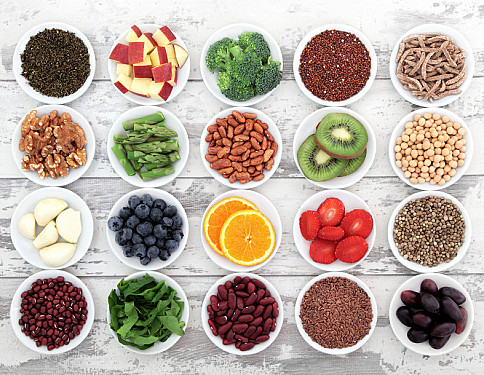
10 Healthy Diet Foods to Include in Your Daily Meals
Choosing the right foods is an important part of maintaining a healthy lifestyle. A balanced diet provides essential nutrients, supports normal body functions, and helps maintain energy throughout the day. Whether your goal is to manage your weight, improve your eating habits, or simply feel healthier, including nutritious foods in your daily meals can make a difference.
Healthy eating does not mean giving up all your favorite dishes or following a strict diet. Instead, it involves choosing a variety of foods that provide protein, fiber, healthy fats, vitamins, and minerals.
Here are 10 healthy diet foods that can be included in everyday meals.
1. Oats
Oats are a popular breakfast option because they contain complex carbohydrates and soluble fiber, including beta-glucan. This fiber can help support healthy cholesterol levels and improve feelings of fullness.
You can prepare oats with milk or an unsweetened plant-based alternative. Add fresh fruit, nuts, or seeds for extra flavor and nutrients.
Oats can also be used to prepare overnight oats, homemade energy bites, and savory porridge.
2. Eggs
Eggs provide high-quality protein and essential nutrients, including vitamin B12, selenium, and choline.
They can be boiled, scrambled, or prepared as an omelet with vegetables. Their protein content makes them a useful addition to meals for people who want to maintain muscle mass and feel satisfied after eating.
People following a vegetarian diet that excludes eggs can choose alternatives such as tofu or beans.
3. Green Leafy Vegetables
Spinach, kale, fenugreek leaves, and other leafy vegetables provide vitamins, minerals, and dietary fiber.
They can be added to salads, soups, curries, and sandwiches. Including a variety of vegetables in your meals helps increase nutrient intake without adding excessive calories.
For a balanced diet, combine leafy greens with protein-rich foods and whole grains.
4. Greek Yogurt
Plain Greek yogurt is a convenient source of protein and calcium. Depending on the product, it may contain more protein than regular yogurt.
You can enjoy it with fresh fruit, oats, or nuts. It can also be used as a base for dips and salad dressings.
Choose unsweetened varieties if you want to limit added sugar.
5. Lentils and Beans
Lentils, chickpeas, kidney beans, and black beans are valuable sources of plant-based protein and fiber.
They are also affordable ingredients that can be used in a wide range of dishes. Popular options include dal, chickpea salad, bean soup, and homemade hummus.
The combination of protein and fiber can help make meals more satisfying.
6. Fresh Fruits
Apples, oranges, bananas, berries, and papayas provide vitamins, minerals, and fiber.
Whole fruits are generally a better everyday choice than fruit juice because they retain their natural fiber and require more chewing.
You can enjoy fruit as a snack, add it to breakfast, or serve it alongside yogurt and nuts.
There is no need to avoid fruit simply because it contains natural sugar. Portion sizes and the overall dietary pattern matter more than eliminating individual foods without a medical reason.
7. Nuts and Seeds
Almonds, walnuts, chia seeds, flaxseeds, and pumpkin seeds provide healthy fats, fiber, and varying amounts of protein.
A small portion can add flavor and nutrients to salads, oatmeal, yogurt, or smoothies.
Nuts and seeds are energy-dense, so a modest serving is often sufficient when managing calorie intake.
8. Whole-Grain Foods
Whole-wheat roti, brown rice, oats, and whole-grain bread provide carbohydrates and fiber.
Whole grains can support digestive health and help make meals more filling. They also provide energy for daily activities.
Instead of eliminating carbohydrates, consider replacing some refined grains with whole-grain alternatives and balancing them with vegetables and protein.
9. Fatty Fish
Salmon, sardines, and other oily fish provide protein and omega-3 fatty acids.
These nutrients play important roles in normal body function. Fish can be grilled, baked, or cooked with vegetables and whole grains to create a balanced meal.
People who do not eat fish can obtain omega-3 fats from foods such as walnuts, chia seeds, and flaxseeds, although these contain a different form of omega-3.
10. Sweet Potatoes
Sweet potatoes provide carbohydrates, fiber, and beta-carotene, which the body can convert into vitamin A.
They can be boiled, roasted, or baked and served with vegetables and a protein source.
Compared with deep-fried potato snacks, baked or boiled sweet potatoes generally allow you to control added oil more easily.
Tips for Building a Balanced Diet
Eating healthy is easier when you focus on overall habits instead of individual foods.
Consider these practical tips:
- Include vegetables and fruits regularly.
- Add protein sources such as eggs, lentils, beans, tofu, fish, or yogurt.
- Choose whole grains more often.
- Drink enough water throughout the day.
- Limit excessive added sugar and highly salted packaged foods.
- Pay attention to hunger and fullness rather than following unnecessarily restrictive rules.
- Plan meals ahead to make healthier choices more convenient.
You do not need to eat every food on this list daily. Variety and balance are more important than following a rigid menu.